Free Shipping When Buying 3 Or More Packs



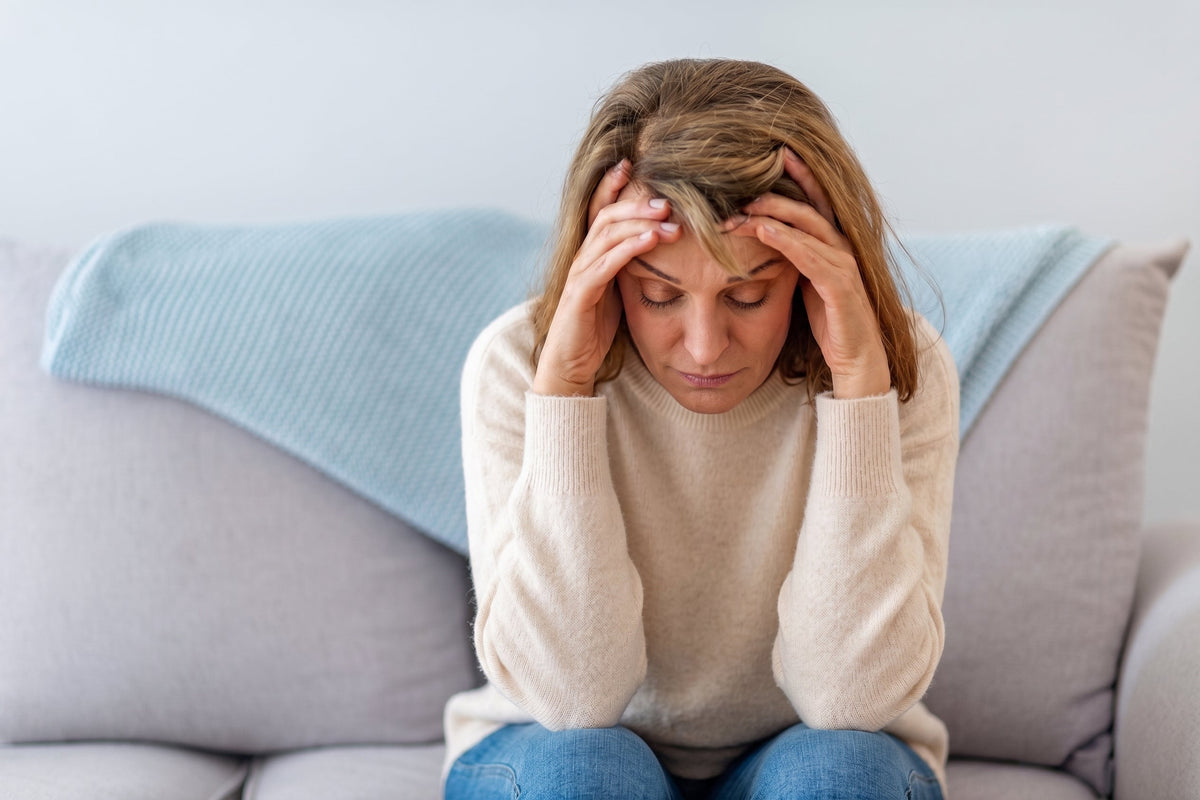
If Menopause Is Natural, Why Did It Feel Like Such a Surprise?
Have you ever found yourself searching online late at night, typing something like:
"Why do I feel so on edge lately?"
"Why am I suddenly waking up at 3 a.m.?"
"Is vaginal dryness normal?"
Or maybe you've simply wondered:
"Why didn't anyone tell me this?"
If that sounds familiar, you're not alone.
For many women, one of the hardest parts of menopause isn't just the physical changes. It's realizing how much we didn't know until we were already living through them.
We learned about puberty. We learned about periods. Many of us learned about pregnancy.
But menopause?
For something every woman will eventually experience if she lives long enough, it often gets surprisingly little attention until it becomes personal.
We Can't Prepare for Conversations We Never Had
For many families, menopause simply wasn't something people talked about.
Our mothers and grandmothers may have gone through it quietly because that's what their generation did. They weren't trying to keep secrets.
In many cases, they simply didn't have the same conversations, resources, or language that are becoming more available today.
School taught us about reproduction, but many of us learned very little about what happens after our childbearing years.
Even among friends, menopause often doesn't become a regular topic until someone starts experiencing it herself.
By then, many women are already wondering whether what they're feeling is normal.

Menopause Doesn't Always Look the Way We Expect
Ask someone to name a menopause symptom, and chances are they'll say hot flashes.
They're certainly common.
But they're far from the whole story.
The transition into menopause usually begins with perimenopause, which can start several years before menopause itself. During that time, hormone levels naturally fluctuate, and symptoms can appear gradually.
For some women, it's changing periods.
For others, it's trouble sleeping, brain fog, mood changes, or feeling warmer than usual.
Some notice vaginal dryness or discomfort during intimacy before they experience hot flashes at all.
Because these changes don't happen the same way for everyone, it's easy to think they're caused by stress, getting older, or simply having too much on your plate.
That's one reason so many women only connect the dots after they've been living with symptoms for months, or even years.
The More We Know, the Less Alone We Feel
One of the most reassuring things about learning more about menopause is realizing how many women have asked the very same questions.
You're not "doing menopause wrong."
You're not expected to know all the answers.
And you don't have to wait until symptoms become overwhelming before talking to your healthcare provider or looking for reliable information.
Understanding what's happening in your body doesn't make every symptom disappear.
But it can make this stage of life feel a lot less confusing and a lot less lonely.
Some Changes Deserve More Conversation Than They Get
One symptom that often surprises women is vaginal dryness.
Not because it's rare.
Because it's rarely talked about beforehand.
Many women don't realize it's a common part of the hormonal changes that can happen during perimenopause and menopause until it starts affecting intimacy or everyday comfort.
The good news is that it's something you don't have to silently put up with.
There are different ways to support vaginal health, depending on your needs and preferences.
For women looking for a hormone-free daily option, HydraHer is designed to support natural vaginal hydration and comfort over time.
It can be one part of taking care of yourself during this stage of life, alongside open conversations with your healthcare provider and learning more about what's happening in your body.

It's Not Too Late to Understand Your Body
It's understandable to wish someone had explained all of this sooner.
But understanding menopause isn't about catching up. It's about feeling more prepared for whatever comes next.
The more we learn about our bodies, the easier it becomes to recognize changes for what they are instead of wondering whether something is wrong.
And perhaps that's the most reassuring part.
You don't have to know everything.
You just need to know that you don't have to figure it out alone.
